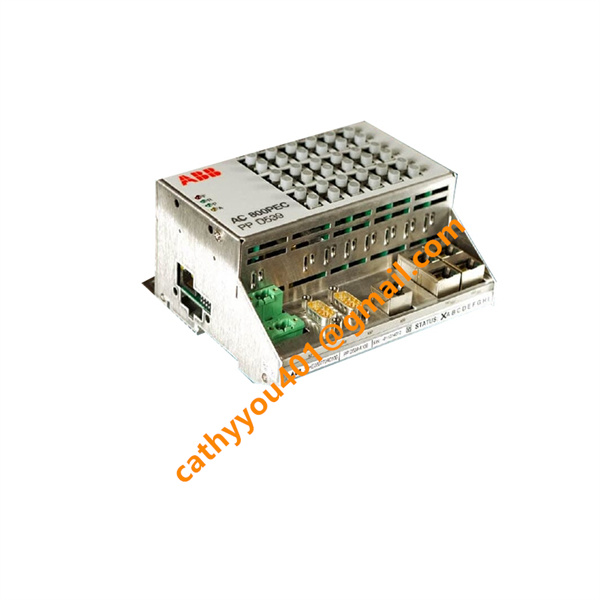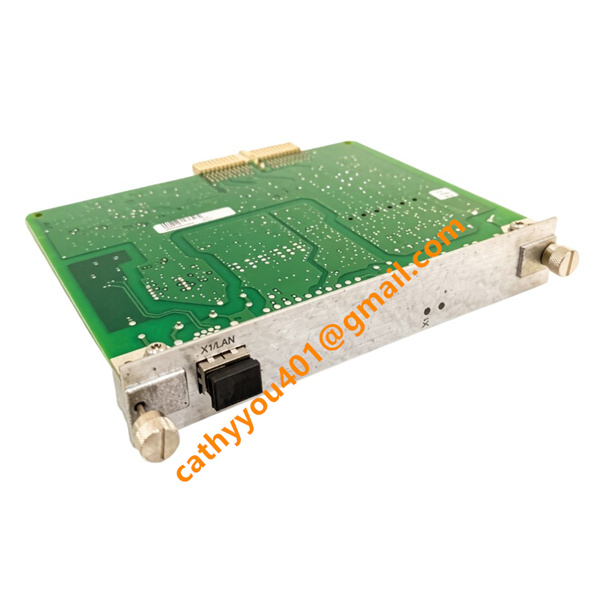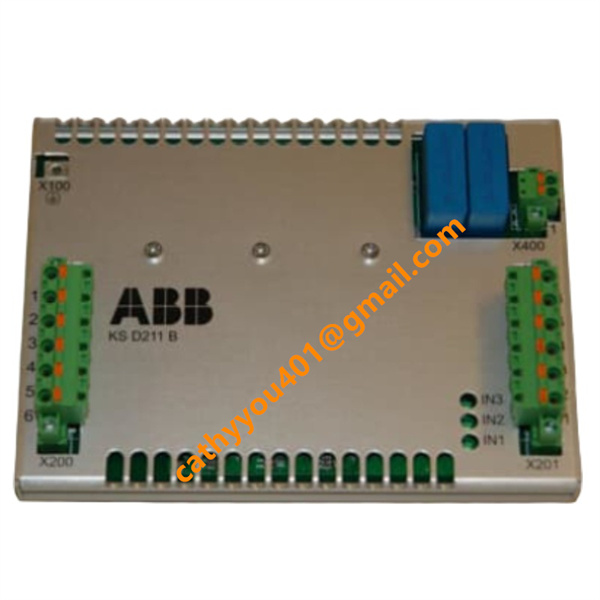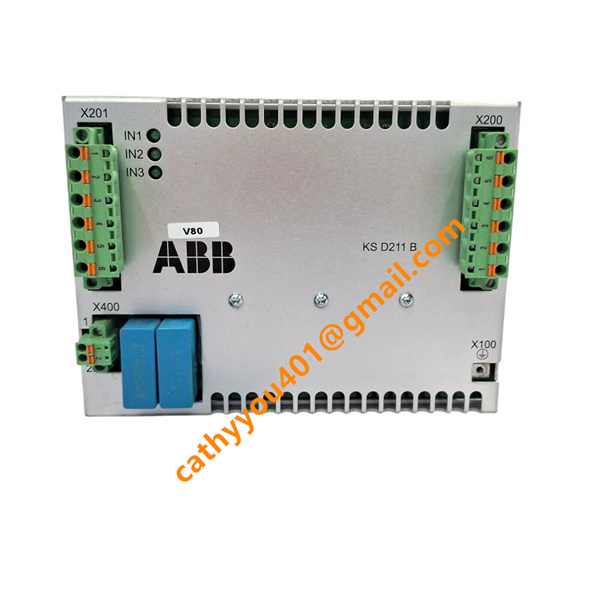






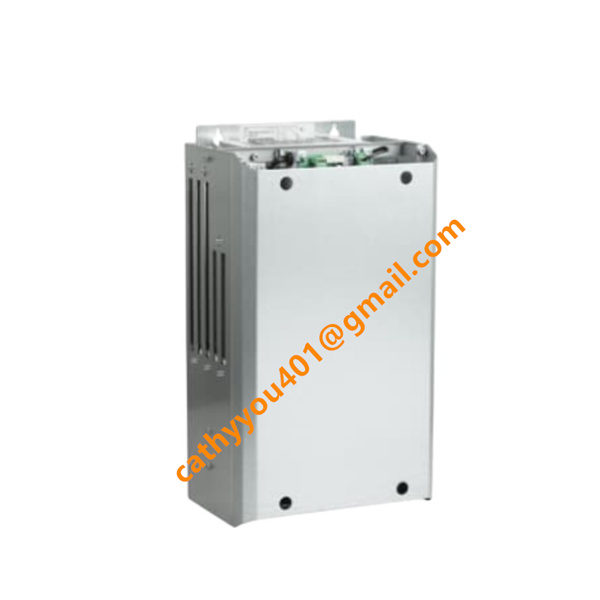
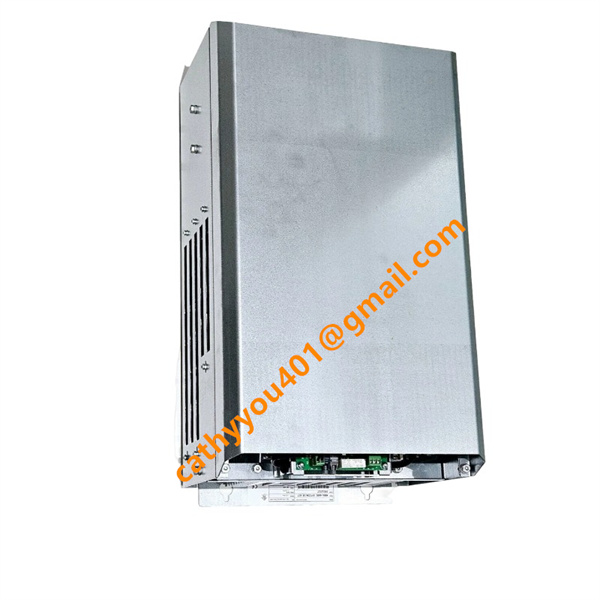







Description
-
BrandABB
-
ModelNBRA-669C
-
Product NameUniversal Brake Chopper Module
-
Place of OriginEstonia / Finland
-
Customs HS Code85049090
-
Part number3ABD5898412
-
Dimensions240mm × 160mm × 100mm
-
Weight4kg
-
Operating Temperature-20°C to +50°C
-
Storage Temperature-54°C to +125°C
-
Warranty12 MONTH
-
Product StatusNEW AND ORIGINAL
ABB NBRA-669C 3ABD58984124 Product Introduction & Technical Specifications
Complete Technical Parameters
Working Voltage: 3AC 400–480V, voltage tolerance ±10%; DC bus adaptive for 690V inverter system
Working Frequency: 47Hz–63Hz
Maximum Braking Processing Power: 375kW (10s / 30s short-time load cycle)
Continuous Processing Power: 20kW
Response Time: ≤5ms, realizing ultra-fast braking response
Operating Temperature Range: -20°C to +50°C (normal continuous operation)
Protection Grade: IP20
Overall Dimensions (L×W×H): 240mm × 160mm × 100mm
Net Weight: Approximately 4kg
Housing Material: High-strength aviation aluminum alloy, heat-resistant and anti-corrosive
Cooling Mode: Natural heat dissipation + auxiliary heat conduction structure, efficient heat dissipation
Insulation Performance: Industrial standard high insulation, anti-voltage breakdown, anti-interference
Working Humidity: 5%–95% non-condensing humidity

NBRA-669C 3ABD5898412 ABB Standard Wiring Method
1. DC Bus Connection: Connect the module’s UDC+ and UDC- terminals to the positive and negative poles of the inverter DC bus correspondingly to realize the power transmission of the braking loop. Ensure the wiring terminals are firmly crimped to avoid virtual connection and poor contact.
2. Braking Resistor Connection: Connect the external matching braking resistor to the special resistor wiring terminals of the NBRA-669C module, forming a complete energy consumption braking loop. Select the resistor model according to the actual braking power demand.
3. Grounding Wiring: Strictly connect the module’s grounding terminal to the equipment protective grounding wire to eliminate static electricity, prevent electrical leakage and improve the anti-interference ability of the whole system.
4. Inspection Before Power-on: After all wiring is completed, check the correctness of line sequence, firmness of wiring and insulation of the circuit. It is forbidden to power on with wrong wiring or short circuit.
5. Debugging Operation: After confirming the wiring is correct, power on the system for idle running test, check the module’s working status, verify the braking function is normal, and then put it into formal load operation.

NBRA-669C 3ABD5898412 ABB Core Product Advantages
1. Ultra-fast Braking Response: The response time is less than 5ms, which can quickly suppress DC bus voltage fluctuation, realize precise motor deceleration and emergency stop, and avoid equipment impact and position deviation.
2. Strong Load Capacity: It supports 375kW high-power short-time braking and 20kW long-term stable operation, meeting the heavy-load and frequent braking demands of industrial high-power equipment.
3. Wide Compatibility: Perfectly matched with ABB ACS800 series 690V high-power inverters, with universal interface design, convenient system integration and strong equipment adaptability.
4. Durable Industrial Design: Adopts high-grade aluminum alloy shell and optimized heat dissipation structure, resistant to high temperature, corrosion and mechanical vibration, adapting to harsh factory operation environments.
5. High Operational Safety: Built-in overvoltage, overcurrent and overheating protection mechanisms, which can automatically trigger protection in abnormal working conditions to avoid module and inverter damage.
6. Low Maintenance Cost: Simple structural design, stable operating performance, low failure rate, no frequent maintenance required, effectively reducing equipment operation and maintenance costs and downtime loss.
7. Standard Industrial Certification: Comply with international industrial electrical safety standards, with stable performance and high safety factor, suitable for all kinds of formal industrial automation production lines.